

You tap subscribe inside the app, because that is where the button is. That tap can carry a 30 percent toll. Processing the payment costs about 3 percent on the open market (Stripe charges roughly 2.9 percent plus 30 cents), and Apple has taken 30 percent on app sales since the App Store opened in 2008, with Google Play settling at the same cut as it grew. The cut was never the price of moving your money.
On June 30, the Supreme Court agreed to hear Apple’s appeal, limited to a single question (docket 25-1311). The thing Apple wants reviewed is a contempt finding. After a federal judge ordered Apple to let developers send users to cheaper prices outside the app, Apple complied by charging a 27 percent fee on those outside purchases, and the judge found that an Apple finance executive “outright lied under oath” about how the number was set. The Ninth Circuit affirmed that contempt finding on December 11, 2025. For now Apple has to keep allowing US external links without the added fee, though the Ninth Circuit left the door open to a “reasonable” fee to be set later on remand. So nothing about your phone changes today.
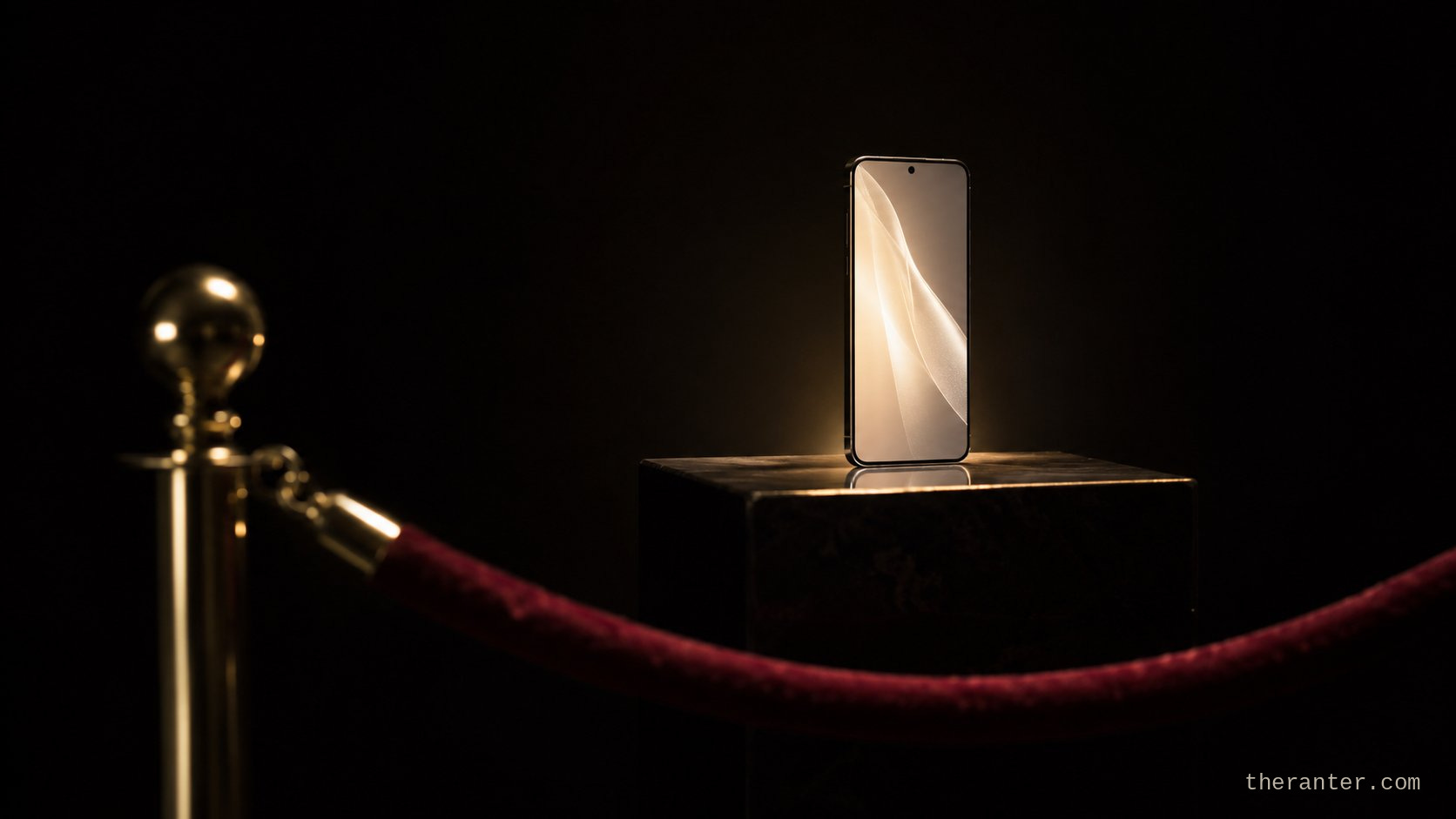
The phone you already paid for, roped off.
The toll buys one thing: the right to be on the phone at all. Processing the sale is the cheap part. Your phone runs one of two operating systems. On the iPhone there is one store, Apple’s, with no legal way around it in the US. Android allows other stores, but Google Play is the gate almost everyone passes through. Sell a digital subscription or a game upgrade and the store takes its cut. Three locks hold it in place. Digital goods must run through the platform’s own payment system. Developers were barred from telling you, inside their own app, that a cheaper price exists on their own website. And breaking either rule gets the app pulled, which cuts your existing users off from updates. Apple ran that last lever on ProtonMail, an encrypted email service that could not ship a single update for about a month until it gave in, then raised its iOS prices about 26 percent. The court that reviewed the rate called it “supracompetitive” and “arbitrarily decided upon in 2009 based on other platforms like video game consoles”.
Steve Jobs said in 2008 that he did not expect the App Store to be a big profit generator, pitching it as a way to sell more iPhones. The thing he framed as an iPhone add-on booked $109.2 billion in its Services segment in fiscal 2025 at a 75.4 percent gross margin, more than double the 36.8 percent margin on its Products line, with the App Store commission piece estimated at $27 to $36 billion a year globally.
This is where it stops being a tech story and turns into a Washington one. A bill called the Open App Markets Act would have outlawed the anti-steering rules outright. It was sponsored by Richard Blumenthal (D-CT), Marsha Blackburn (R-TN), and Amy Klobuchar (D-MN), and it cleared the Senate Judiciary Committee 20 to 2 in February 2022. It never got a floor vote. Majority Leader Chuck Schumer, whose 2022-cycle total included $192,750 tied to Alphabet, its employees, and its PAC, said the votes were not there. The sponsors said they were. Apple set its own lobbying record that same year at $9.36 million. The bill died under a Democratic-led Senate, and the antitrust suits against both Apple and Google were filed and carried forward across the Trump and Biden administrations. Both parties had their hands on this one.
The move here is small and annoying, which is usually how you can tell the platform did not build it for you. If you sell anything digital, the external-link path that came out of the contempt fight now lets you point US customers to your own website with no Apple commission. The catch has always been the terms, and during Apple’s earlier “compliance” window only 34 of roughly 136,000 US developers had even applied to use it. If you buy, check the company’s own website before you subscribe through an app, because the app frequently is not allowed to tell you it costs less there. And if you want one number to watch, watch the rate. Google has already announced a move to 20 percent or less on many Play transactions, and Apple has gone to zero on US external links the moment courts forced it. A price that falls by a third the week a judge shows up was never being held up by costs.
Related read: You Can’t Fix the F-35. Neither Can the Air Force.
THE RANTER follows the money through the systems that bill you: healthcare, housing, food, labor, debt, political money. Mechanism over motive.
Newsletter: newsletter.theranter.com | Website: theranter.com
YouTube: @TheRanterOfficial | Instagram: @theranterofficial | TikTok: @theranterofficial | X: @RanterMarkus | Bluesky: @rantermarkus.bsky.social
Every figure above is sourced and linked. Think one is wrong? corrections@theranter.com