

Governor Wes Moore signed the Protection from Predatory Pricing Act into law today. Maryland is now the first state in the country to ban grocery stores from using personal data to charge different shoppers different prices for the same item. Penalties run $10,000 for a first offense and $25,000 after that. The law takes effect October 1, 2026.
The federal version of this fight ended fifteen months ago.
In July 2024, the Federal Trade Commission opened a Section 6(b) study into what it called surveillance pricing. The study issued subpoenas to Mastercard, JPMorgan Chase, McKinsey, Accenture, PROS Holdings, and others. The vote to open the study was unanimous, 5-0. Both Republican commissioners joined the Democrats and said in concurring statements that the practice deserved investigation even if it turned out to be legal, because consumers might experience it as manipulation. One of those Republicans was Andrew Ferguson.
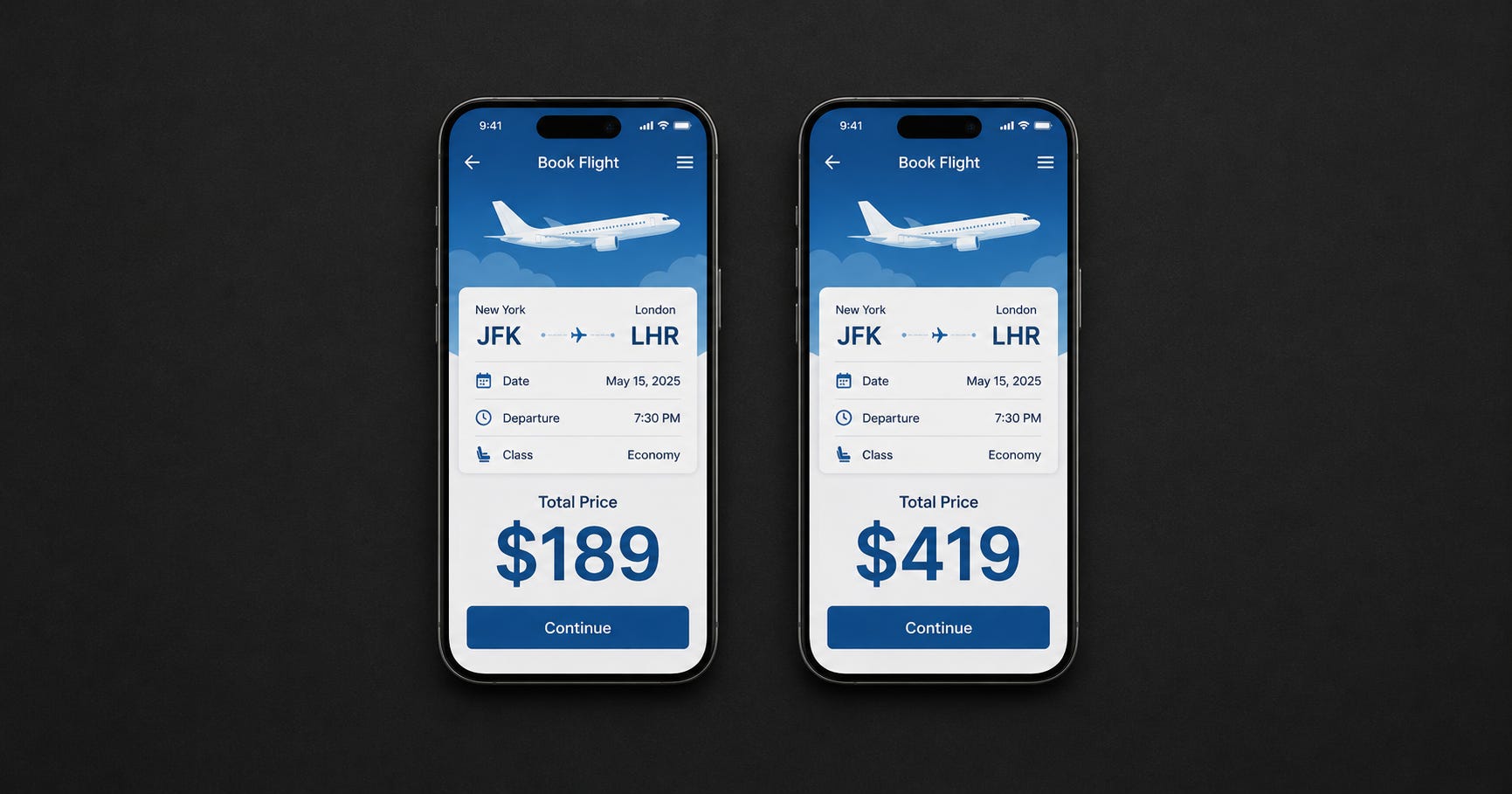
In January 2025, the FTC under outgoing Chair Lina Khan released initial findings. At least 250 businesses were using personal data to set individualized prices, including grocery stores, apparel retailers, hardware stores, and convenience chains. The findings described a shadowy market of third-party pricing middlemen. The agency invited public comment through April 17, 2025.
Ferguson became chair on January 20, 2025. Within days, he closed the public comment window. The study was effectively shelved, and has produced no final report or enforcement action in the fifteen months since.
Eleven months later, in December 2025, four senators wrote to Ferguson asking him to reopen it. Mark Warner of Virginia, Ruben Gallego of Arizona, Richard Blumenthal of Connecticut, and Josh Hawley of Missouri. Three Democrats and one Republican, signing the same letter, asking the same Republican-led commission to do the work it had stopped. The letter cited Fetcherr, an AI pricing company that markets to airlines and pitches its product on the basis of what it calls customer lifetime value and real-time context of each booking inquiry. In plain English: how desperate the customer looks at the moment they click buy.
The letter did not produce a reopened investigation. State action did.
That brings us to JetBlue.
On April 18, 2026, a JetBlue customer posted on X that a $230 price increase had hit their fare in one day. They mentioned they were trying to make it to a funeral. The official JetBlue account replied with advice to clear browser cookies or book in incognito mode. The reply was deleted. The customer’s complaint was screenshotted first.
Four days later, on April 22, a New York resident named Andrew Phillips filed a proposed class action in the Eastern District of New York. The complaint alleges JetBlue used third-party tracking software (FullStory, an analytics platform) and PROS Holdings (a pricing algorithm vendor) to adjust airfares in real time based on customer browsing behavior. JetBlue denies it. The airline says fares are determined by demand and seat availability, and that the deleted tweet was a mistake by an individual employee. The case is now pending in federal court.
The federal lawmakers who could have acted on the FTC’s January 2025 findings did not. The state attorneys general who could have brought parallel actions under their own consumer protection statutes mostly did not. Maryland did, with a bill that cleared its legislature on April 11 and now becomes the first law of its kind on the books.
It is also a law with significant gaps. Loyalty programs are exempt, which means a grocery chain can route the same individualized pricing through a club card and call it a discount. Subscription pricing is exempt. Pricing for narrowly defined consumer segments (Consumer Reports gave the example of “shoppers over 70, who live alone, don’t live near competitor stores, and are interested in recliners”) is not clearly banned. Maryland residents cannot sue companies under the law. Only the state attorney general can, and the AG must give companies 45 days to fix violations before any further action.
Consumer Reports, which lobbied for the bill, called the final version weakened by industry-friendly amendments. The Maryland Retail Alliance, which originally opposed the bill, dropped its opposition once the loopholes were added. That is how a first-in-the-nation law gets passed: by being watered down enough that the people it regulates stop fighting it.
What is left after today is a map. California, Colorado, Illinois, New Jersey, New York are considering similar bills. The federal investigation is closed. The class action against JetBlue will move at federal court speed. The technology that drives all of it (the data brokers, the pricing algorithms, the third-party trackers embedded in checkout flows) does not pause while the legal arguments work themselves out.
The price you see when you log in is the price the algorithm thinks you will pay. Maryland just made that illegal in one place, for one category of goods, with one enforcement office, after a 45-day grace period.
The rest of the country pays whatever the screen says.
THE RANTER follows the money through the systems that bill you: healthcare, housing, food, labor, debt, political money. Mechanism over motive.
Newsletter: newsletter.theranter.com | Website: theranter.com
YouTube: @TheRanterOfficial | Instagram: @theranterofficial | TikTok: @theranterofficial | X: @RanterMarkus | Bluesky: @rantermarkus.bsky.social
Every figure above is sourced and linked. Think one is wrong? corrections@theranter.com